Ethically Sourced Gemstones
No Modifications
from the mine to you
No Industrial Processing
Natural Amber
Ethically Sourced Gemstones
Natural & Unmodified
more than “Genuine”


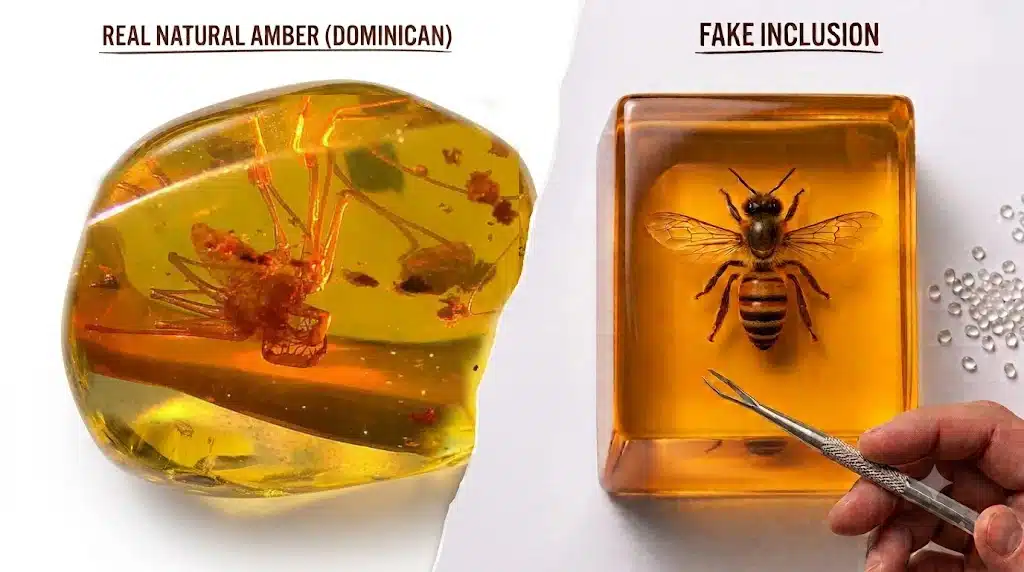
Are you being misled?
A select few Baltic amber jewelers still honor the craft, turning nature’s raw beauty into breathtaking gems—matched, of course, by the master artisans of Dominican amber.
On the other hand, many industrial processors intentionally use certain words like “Genuine” and “Certified” because they know the average buyer equates those terms with “real, original, natural and unmodified”. They frequently use technical-sounding terms making their claims appear legitimate to the untrained eye.
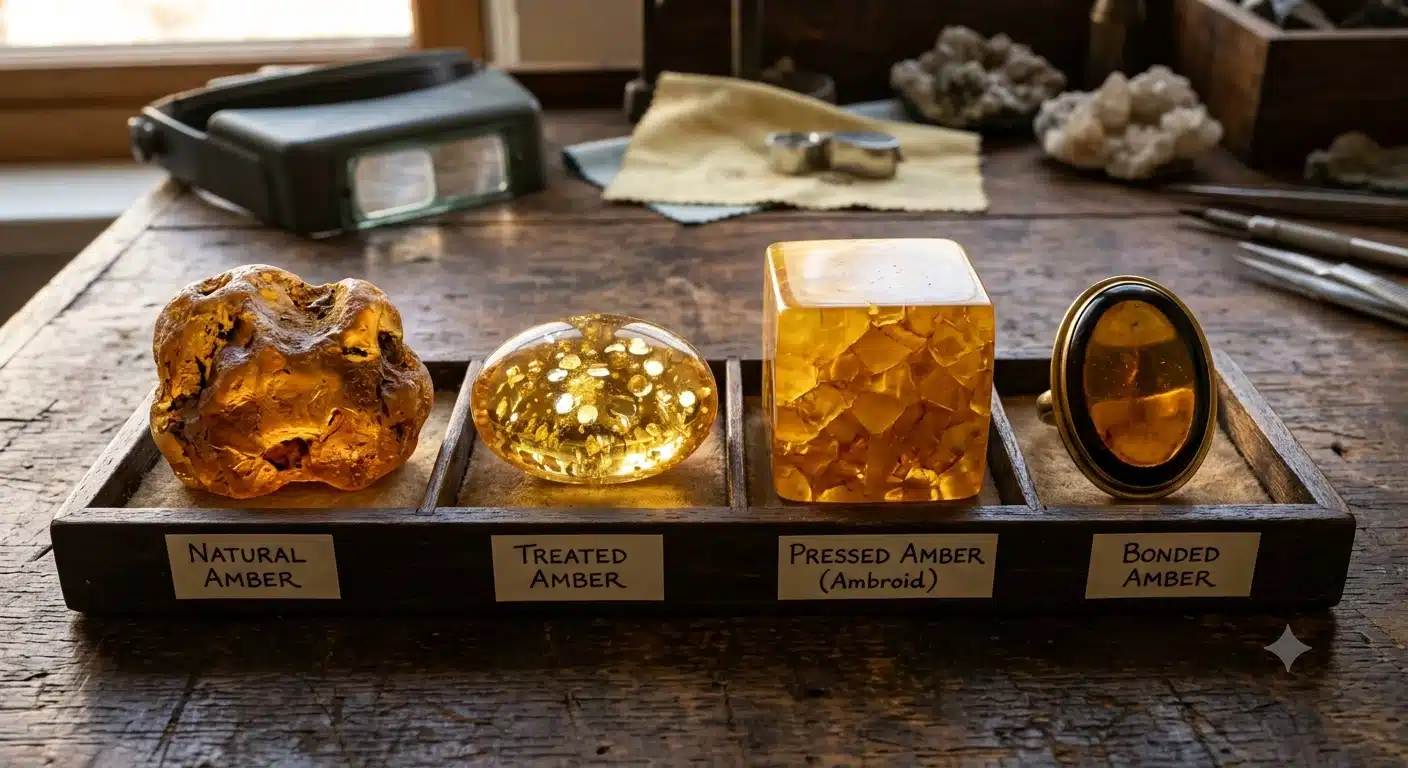
Once a customer learns that factory-melted, autoclaved, and pressed amber fragments can legally still be certified as ‘genuine,’ the marketing spell is broken.
3 Questions Every Amber Buyer Must Ask
(Before You Get Trapped)

Truth
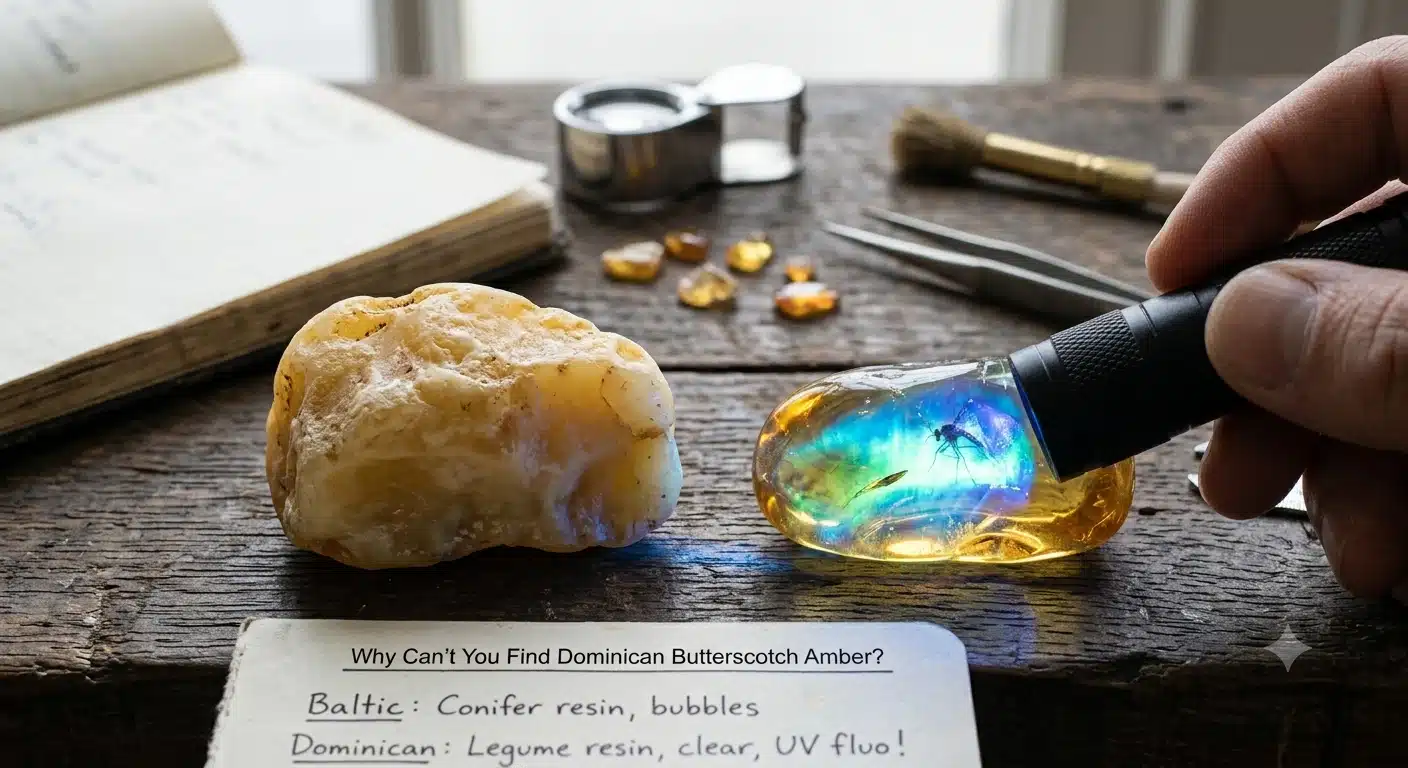
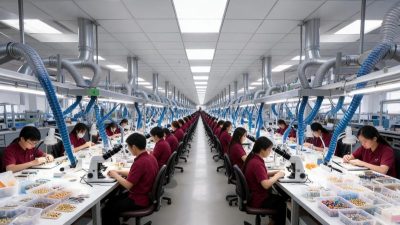
Marketing language intentionally blurs the lines of truth. Large commercial entities in the Baltics exploit a massive loophole in gemstone labeling and standard gem labs issue certificates that completely mask the industrial manipulation. As a result, the amber market is flooded with mass-market altered pieces.

Knowledge
A knowledgeable customer asks sharp, specific operational questions that a mass-retailer cannot fake. Knowledge shifts the power back to the buyer. A knowledgeable customer is aware that Dominican Republic simply does not have the industrialized treatment plants or autoclave technology to alter these stones.
Our natural amber colors
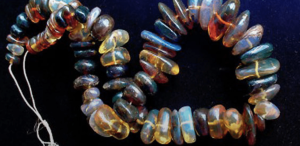
Dominican amber is NEVER enhanced by Dominican providers. It is renowned for its natural golden honey color and rare red, green, and its extraordinarily prized fluorescent Blue Amber.
Yellow and Honey
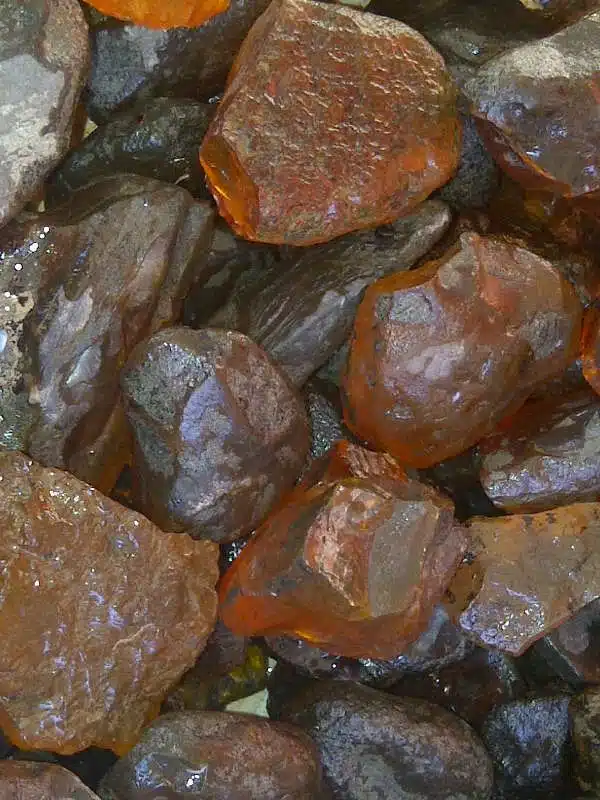
Yellow & Honey
Green and Greenish
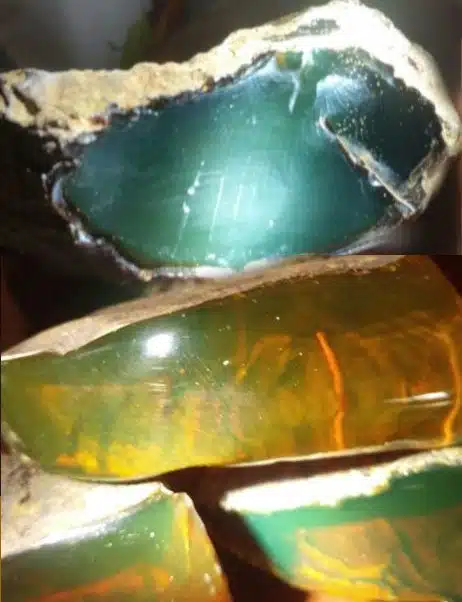
Green & Greenish
Rare Colors
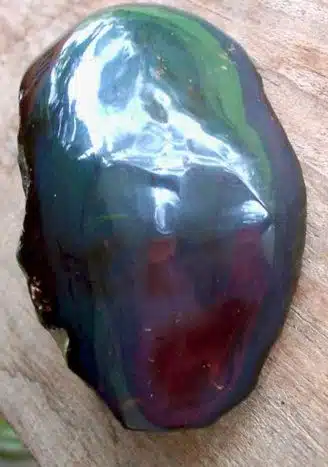
Very Rare Colors
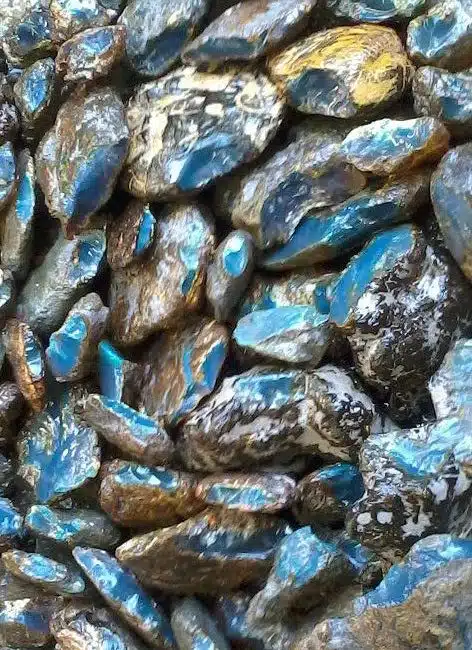
Blue Dominican